
An Honor Shared: Recognizing the Power of the Collective Voice in the GI Cancer Community
I am deeply honored to have been named by OncoDaily as one of the 100 Influential Women in Oncology 2026.
While I am personally grateful for this recognition, I view it as something much larger than an individual honor. It is a recognition I share with the extraordinary patients, caregivers, advocates, healthcare professionals, researchers, partners, colleagues, and friends who have shaped my more than four decades in cancer advocacy - and especially with our global GI Cancers Alliance community.
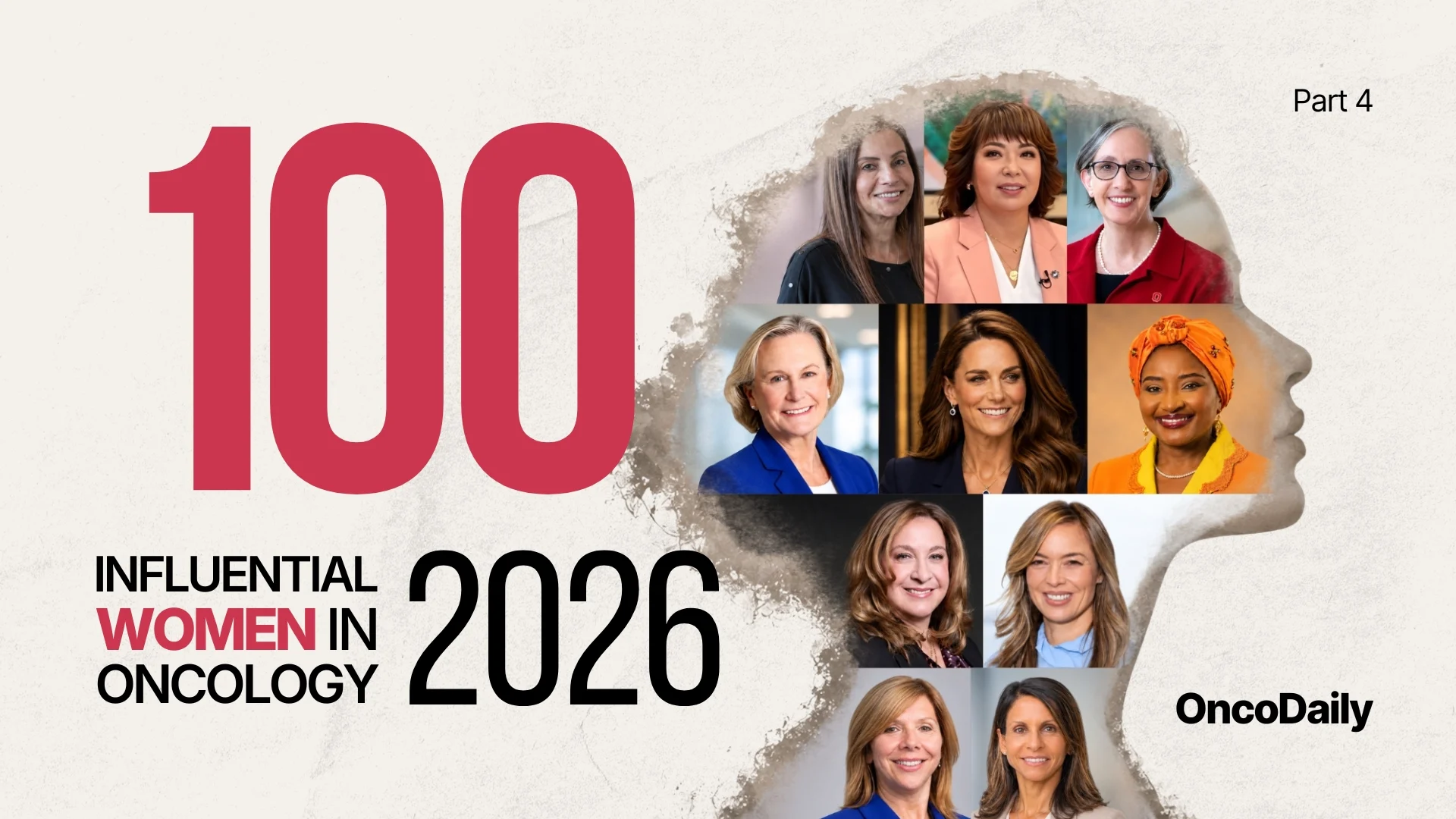
Recognizing Women Across the Oncology Community
One of the things that makes this recognition particularly meaningful is the diversity of women being celebrated.
The 2026 honorees represent many different parts of the oncology community—from medicine and scientific research to cancer policy, industry leadership, global health, education, and patient advocacy.
Our roles may be different, but we share a common purpose: improving the lives of people affected by cancer.
I congratulate my fellow honorees and thank each of them for the expertise, leadership, compassion, and commitment they bring to oncology. It is a privilege to have patient advocacy represented alongside so many accomplished women working throughout the cancer community.
The Patient Voice Belongs at the Table
When I began advocating for people affected by gastrointestinal cancers more than four decades ago, the role of patients and caregivers in cancer research and healthcare looked very different than it does today.
My own journey began with my family and the experience of losing both of my parents to colon cancer at a time when there were few resources available to help families understand what was happening or where to turn for support.
Those experiences have stayed with me throughout my life.
They taught me that patients and families need more than information. They need someone to listen. They need someone to help them navigate an extraordinarily complicated healthcare system. And they need opportunities to help shape the research, programs, policies, and decisions that ultimately affect their lives.
Today, patient engagement is increasingly recognized as an essential part of oncology.
But our work is far from finished.
We must continue creating meaningful opportunities for patients and caregivers to participate throughout the cancer continuum - from research and clinical trial development to biomarker education, shared decision-making, survivorship, patient navigation, and access to care.
Most importantly, we must make certain those opportunities extend to communities and regions that historically have not had an equal voice.
An Honor Shared With the GI Cancers Alliance Community
This recognition belongs to the entire GI Cancers Alliance community.
Every day, I have the privilege of working alongside patients and caregivers who generously share their experiences so that someone else’s cancer journey might be easier.
I work with advocates who turn personal experiences with cancer into action.
I see researchers and healthcare professionals who recognize that listening to patients can make research and care better.
And I see organizations and partners across countries, cultures, and GI cancer types choosing collaboration over working in isolation.
That collective spirit is at the heart of the GI Cancers Alliance.
No individual, organization, institution, or sector can address the challenges facing people affected by cancer alone. Progress requires us to work together - and it requires the patient and caregiver voice to be part of that collaboration.
Looking Forward
After more than forty years in advocacy, I remain inspired by how much progress we have made—and equally motivated by how much remains to be done.
There are still patients who do not have access to biomarker testing.
There are patients who never learn that a clinical trial might be an option.
There are communities where patient navigation and reliable cancer information remain difficult to access.
And there are voices around the world that are still underrepresented in cancer research and healthcare decision-making.
Those challenges continue to drive our work at the GI Cancers Alliance.
We will keep working to expand education, strengthen patient navigation, advance patient-centered research, address disparities, support advocates around the world, and ensure that people affected by gastrointestinal cancers have a meaningful voice in the decisions that affect them.
With Gratitude
My sincere thanks to OncoDaily for this meaningful recognition and for creating an opportunity to celebrate women whose work is helping move oncology forward.
Congratulations to all of the 100 Influential Women in Oncology 2026. I am honored to stand alongside you.
And to the patients, caregivers, advocates, colleagues, partners, and friends who have walked this journey with me: thank you.
This recognition is shared with you.
Because ultimately, influence in oncology is not about being recognized.
It is about what we can accomplish together for patients and families.



.jpg)
.png)